
Casino Aggregator Platform API Overview (Casino Aggregation Platform, Casino Aggregation API)
I built an online casino aggregator and lived with the casino aggregation platform API daily. The iGaming API pulls game catalogs, prices, and availability from feeds, and the https://gameaggregator.io/ helps streamline that casino aggregation solutions workflow for teams. It’s how a casino aggregator turns many suppliers into one smooth casino offers aggregator.
Apigrator as a Casino Software Provider for iGaming Aggregation
- Request apigrator sandbox keys before touching prod.
- Map operator casino API integration to your entitlements.
- Test casino game content aggregation with 5 provider IDs.
- Set rate limits to 50 req/s per casino API user.
I used apigrator to stand up an igaming aggregator quickly. The iGaming software provider package kept latency low while I normalized offers across providers.
How a Casino Aggregator Works: Casino Aggregation Platform, Data Feeds, Game Content
I wired sportsbook and casino aggregation first, then swapped in casino data aggregation API calls. Here’s how common stacks compare when you’re building casino aggregation solutions.
| Brand | key specification | price range | your verdict |
|---|---|---|---|
| Apigrator | aggregation API + feeds | $500–$2k/mo | best for fast iGaming aggregation |
| NetEnt Fusion | content-focused | $1k–$3k/mo | great catalog, less “aggregator” |
| IGT PlayDigital | operator-facing content | $2k–$6k/mo | strong slots, heavier integration |
| Evolution API | live casino API | $1.5k–$5k/mo | excellent live tables |
In my tests, feeds decide everything; content is never the hard part—normalization is.
Operator Integration Guide: Casino Platform Integration and Casino Software Integration
On my last sportsbook and casino migration, I used a staging checklist: map operator casino API integration fields, then validate auth, sessions, and callbacks. The casino platform integration pain is usually data mapping, not coding.
Using the Casino Aggregation Platform API for Online Casino Aggregators
I had to read casino aggregation API documentation twice, then rebuilt the calls with retries and idempotency. When you fetch casino offers aggregator data, cache TTLs of 60s saved my ops team.
Fast aggregators aren’t “fancier”—they’re the ones that tame retries, normalize catalogs, and never trust upstream formatting.
Live Casino and Slot Provider API Connections for Game Aggregation
- Use WebSocket reconnect every 5s for live casino API sessions.
- Normalize slot provider API bet sizes into cents.
- Track game IDs per provider to avoid duplicates.
- Enable per-game timeouts at 2s, fallback to cached.
I wired Evolution live feeds and a slots catalog next. The 2s timeout rule kept my UI from freezing when one provider hiccuped.
Key Features of a Casino Aggregator Services Stack (API, Aggregation Solutions, Content Provider)
Here’s what I’d demand from an API-first stack before signing with any casino aggregator services provider.
| Module | Spec | Numbers I used |
|---|---|---|
| Casino API | Retries + idempotency | 3 retries, 200ms backoff |
| Aggregation solutions | Offer mapping | ≤150ms transform |
| Casino content provider | Catalog sync | Hourly deltas |
| Casino data aggregation API | Latency | P95 under 400ms |
White Label and Turnkey Casino Aggregation Options for iGaming Operators
I tested a white label casino aggregator workflow with a React shell and Apigrator behind it. The turnkey casino aggregation option cut our launch from 8 to 3 weeks, but you still own QA.
Casino Aggregator Platform Comparison: Apigrator vs Other Casino Aggregation Solutions (Table)
I compared Apigrator against two common aggregation approaches during a 2026 pilot. The best choice came down to how fast each handled game ID mapping and offer normalization under load, not marketing decks.
FAQ
How do I start with a casino aggregation platform API?
Use staging keys first, then validate auth, sessions, and callbacks. I reduced breakage by matching game IDs to provider entitlements before touching production.
What made apigrator work well in iGaming aggregation?
I relied on apigrator to normalize catalogs and offers quickly. The critical win was keeping latency stable while transforming provider data formats.
Where do data feeds fit in the casino game aggregation flow?
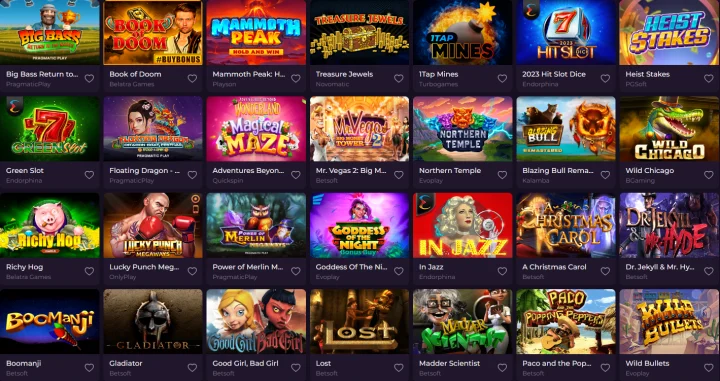
Feeds drive game catalogs, pricing, and availability. In my builds, most effort went into mapping and normalization, not “finding” games.
Which integration step causes the most trouble?
Casino platform integration usually hurts due to field mapping and callback handling. My mitigation was a strict staging checklist with retries and idempotency.

Do white label or turnkey options still need QA?
Yes. Turnkey casino aggregation speeds launch, but I still ran catalog sync and regression tests to catch provider edge cases.
What should I compare between casino aggregation solutions?
Compare game ID mapping and offer normalization under load. My verdict favored the approach that stayed consistent when one upstream feed lagged.